From Peer Competition to Collective Strength: How the “Helper’s High” Drives Academic Resilience
HYDERABAD — The competitive environment surrounding school and college admissions often turns peer groups into sources of intense comparison and academic stress. This hyper-competitive climate can make adolescence feel deeply isolating, convincing students that they must protect their own progress at the expense of others.
However, a beautiful psychological shift is gaining traction online: leveraging the “helper’s high.” Neuroscientific research shows that engaging in small, random acts of kindness—like sharing simplified study notes, texting a specific compliment to a struggling classmate, or explaining a tough concept to a peer—triggers a powerful, positive chemical release in our own brains.
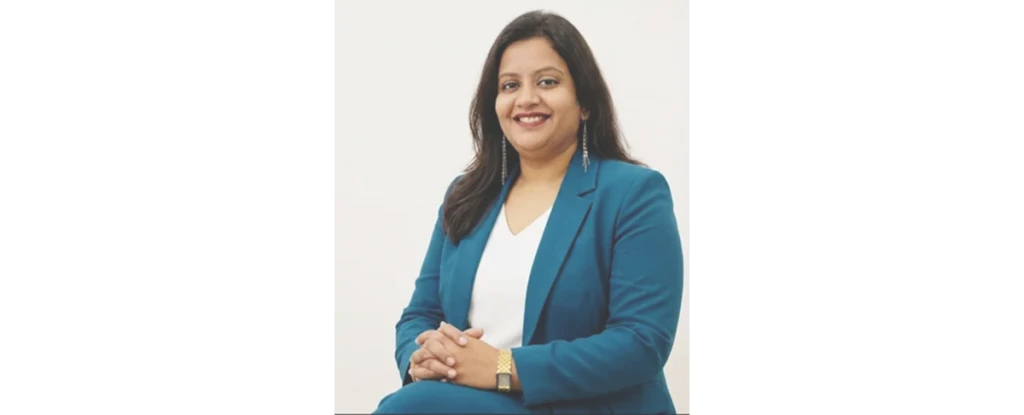
“In both corporate leadership training and clinical youth counseling, we see that isolation amplifies anxiety,” says Dr. Shripuja Siddamsetty, Consultant Clinical Psychologist and Corporate Trainer. “When teenagers intentionally pause their exam prep to help a peer, they disrupt their own internal anxiety loop. This prosocial behavior floods the nervous system with feel-good hormones, reducing individual cortisol levels. Shifting from competition to community building transforms individual academic stress into a powerful, shared wave of group resilience.”